
What Is Reflexology? A Complete Beginner's Guide

Updated: May 12

Reflexology is a gentle holistic therapy that involves applying pressure to specific points on the feet to support relaxation, reduce stress, and encourage balance throughout the body.
Many people in Norwich seek reflexology for help with stress, anxiety, sleep difficulties, hormonal changes, and emotional overwhelm.
In this beginner’s guide, you’ll learn what reflexology is, how it works, what happens during a session, and how it may support your wellbeing naturally.
In this beginner-friendly guide, you’ll discover:
What reflexology is
How it works (including its impact on fascia)
The benefits you can feel
What to expect in your first session
How to start at home or in Norwich
What Is Reflexology?
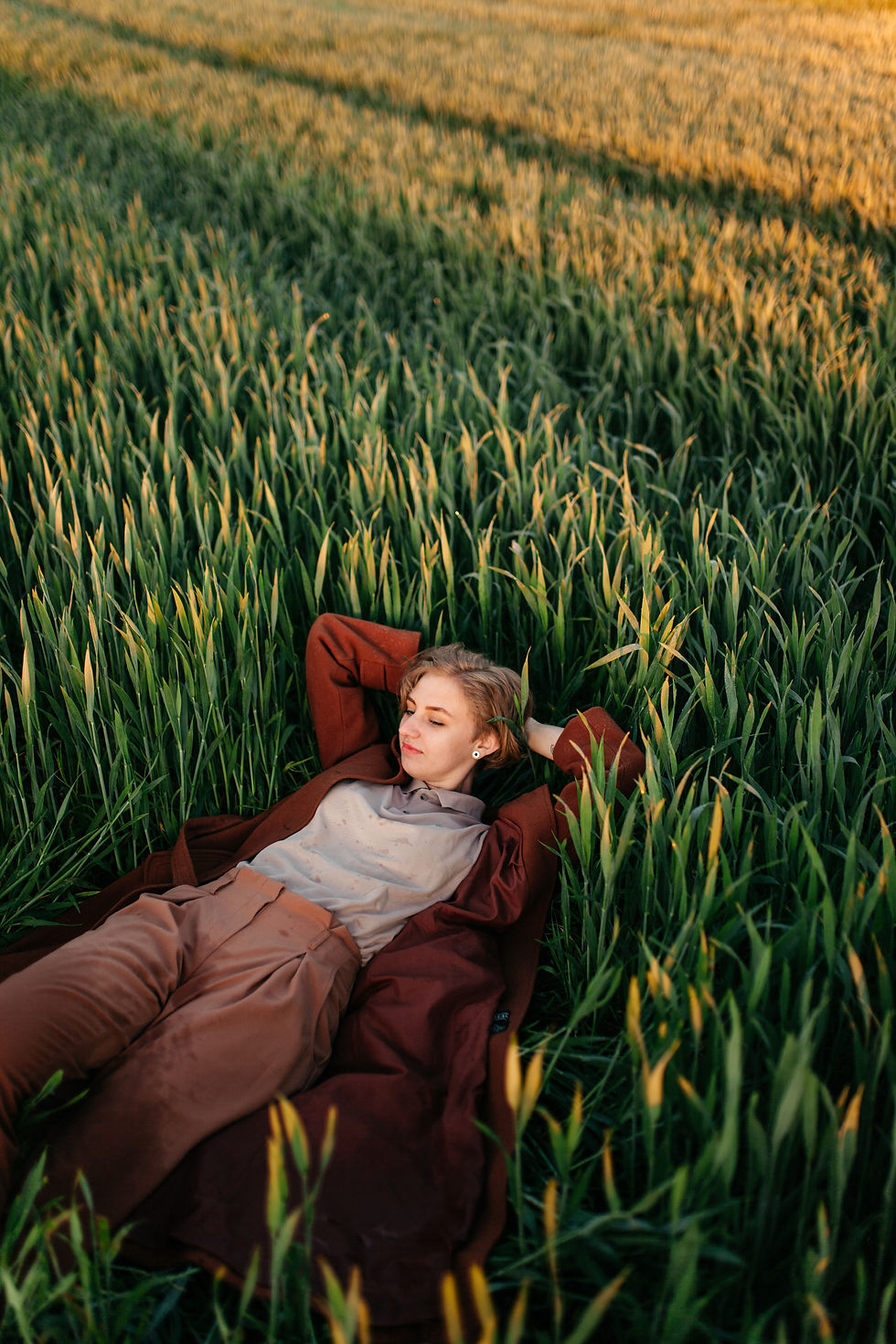
Reflexology is a holistic therapy based on the principle that specific points on the feet, hands, and ears correspond to different organs and systems in your body. Although I choose to only work on the feet.
By applying gentle pressure to these reflex points, reflexology aims to:
Support your body’s natural healing processes
Calm your nervous system
Release tension held deep in muscles and fascia
Encourage overall wellbeing and balance
Most commonly, reflexology focuses on the feet, which act like a detailed “map” of your entire body.
How Does Reflexology Work?
Reflexology works on several interconnected levels:
1. Nervous system: Pressure on specific reflex points sends signals to the brain, encouraging relaxation and balance.
2. Circulation and energy flow: Gentle manipulation can improve blood flow, supporting healthy organ function.
3. Fascia system: The fascia is a continuous web of connective tissue that wraps every muscle and organ. Tension, stress, or emotional strain can create restrictions in this system. Reflexology gently releases these areas, improving fluid movement and overall flexibility in your body.
Many people experience reflexology as helping release tension held throughout the body, including areas associated with muscular and fascial tightness.
What Are The Benefits of Reflexology?
Many people search for reflexology because they want natural support for stress, sleep, and tension.
Reflexology is deeply calming, but its effects often go far beyond relaxation:
Reduces stress and anxiety
Relieves tension, headaches, and muscle stiffness
Encourages emotional balance and a sense of calm
Works gently with the fascia system to release deep-seated tension
Many of my clients come for help with specific issues once these have resolved they often use reflexology to help them maintain a healthy self-care routine.
Reflexology Foot Map: Key Points and What They Relate To
Reflexologists view the feet as reflecting different systems of the body. While reflexology is not used to diagnose medical conditions, certain areas may feel more sensitive when tension or stress is present.
Foot Area | Corresponding Body Part |
Big Toes | Head, Brain and some of the major hormonal organs |
Base Of The Big Toe | Neck |
Arch | The Spine |
Heel | Lower back and pelvic area |
During a session, I gently work on these zones to identify areas of tension or imbalance and help your body find its natural state of calm.
What Happens During a Reflexology Session?
If this is your first time, here’s what to expect:
You’ll sit on a specifically designed chair
Remove your shoes and socks
In the first appointment we will spend some time taking a medical and lifestyle history and talking about what you want to achieve with your sessions.
Gentle pressure is applied to your feet in a relaxing sequence
Sessions usually last between 60 and 90 minutes.
If you’re curious about trying reflexology in Norwich, you can explore my reflexology Norwich sessions here.
Why Do People Find Reflexology Relaxing?
Research into reflexology is still developing, but many people report feeling calmer, sleeping better, and experiencing reduced stress after sessions. One reason may be the way relaxation affects the nervous system and overall tension patterns in the body.
.
Can You Try Reflexology at Home?
Absolutely. Even a few minutes of self-care can make a difference:
Press gently into the arch of your foot with your thumb
Move in slow, circular motions
Focus on tender areas and breathe deeply
Just 5–10 minutes at the end of your day can help you unwind and reconnect with your body.
Is Reflexology Safe?
Reflexology is safe for most people. If you are pregnant, have a medical condition, or have foot injuries, consult a qualified reflexologist so your session can be tailored to your needs.
Who Can Benefit From Reflexology?
Reflexology is perfect for anyone seeking gentle support and calm:
Women feeling stressed, anxious, or overwhelmed
People struggling with sleep
Anyone wanting a natural, holistic way to restore balance
Beginners who want a non-invasive, relaxing therapy
It’s about creating space for your body to unwind and restore itself.
Final Thoughts

Reflexology is more than a foot massage. It’s a nurturing, calming practice that supports your body, fascia, and mind.
If you’ve been searching for a natural way to reduce stress, improve sleep, and reconnect with yourself, reflexology offers a beautiful, gentle solution.
Ready to Experience Reflexology in Norwich?
If you’re looking for reflexology in Norwich for stress, sleep support, menopause, or nervous system relaxation, I offer calm, supportive one-to-one sessions designed to help you slow down and reconnect with yourself.
You don’t have to keep holding everything on your own. Reflexology offers a space to pause, to be supported, and to gently come back to yourself.
FAQs About Reflexology
How often should I have reflexology?Weekly or fortnightly sessions are ideal, but even one treatment can help you feel calmer.
Does reflexology hurt?No. Some areas may feel tender, but reflexology is always gentle.
How quickly do I notice benefits?Many feel immediate relaxation; deeper improvements often develop over a few sessions.
Can reflexology help with fascia tension?Yes. Reflexology gently works with the fascia system to release restrictions, improve movement, and encourage deep relaxation.


Comments